Top 3 Lithium Batteries for Van Life: Battle Born vs Renogy vs LiTime
After 5 years living in a van through +40°C summers and -20°C winters, I've learned what actually matters in a battery. Here's an honest comparison of the three best options on the market.

What You Need to Know About Lithium Batteries
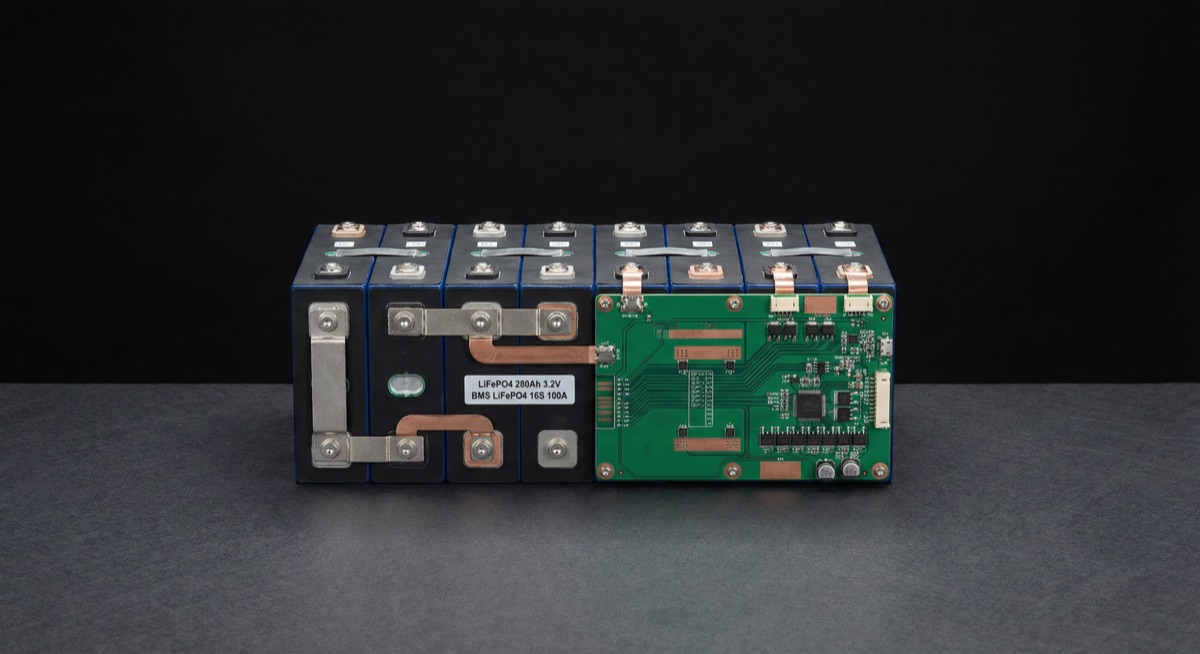
Lithium iron phosphate (LiFePO4) batteries have become the standard for van life—and for good reason. Unlike lead-acid or AGM batteries, they're lighter, last longer, and can be discharged to 80–100% without damaging the cells. But not all lithium batteries are created equal.
Key specs that matter
- Capacity (Ah): How much power you can store. 100Ah is the sweet spot for most vans; 200Ah+ if you run fridges, inverters, and heating.
- Cycle life: How many charge/discharge cycles before capacity drops. Quality LiFePO4 typically offers 3,000–5,000 cycles at 80% depth of discharge.
- BMS (Battery Management System): Protects against overcharge, over-discharge, and temperature extremes. A good BMS is non-negotiable.
- Low-temp charging: Below 0°C, charging can damage cells. Many batteries include built-in heating or require external heating in cold climates.
How to choose
Consider your power needs, climate, budget, and whether you want Bluetooth monitoring. Here’s a practical framework that works for most van builds.
Step 1: Size your battery bank (Ah) based on your daily use
If you’re not sure where to start, think in “day-to-day loads”:
- Light use (mostly lights/charging devices): 100Ah can be enough.
- Typical van life (12V fridge + lights + laptop + water pump): 200Ah is the comfortable sweet spot.
- Heavy use (inverter for cooking, power tools, or long off-grid stretches): 300–400Ah+ starts to make sense.
LiFePO4 batteries can safely use a larger portion of their rated capacity than AGM, so you generally need fewer total amp-hours for the same usable energy.
Step 2: Make sure charging will work with your setup
Your battery choice should match how you plan to recharge:
- Solar: Confirm your charge controller has a lithium profile (or programmable voltages).
- Alternator (DC-DC): Choose a DC-DC charger sized appropriately (and don’t rely on a simple isolator for lithium).
- Shore power: Ensure your AC charger supports lithium charging voltages.
Also check the battery’s maximum continuous charge current and maximum continuous discharge current (important if you run a large inverter).
Step 3: Cold weather matters (especially charging below 0°C)
Discharging in cold temps is usually fine (with reduced performance), but charging below 0°C can permanently damage lithium cells. If you camp in shoulder seasons or winter:
- Look for low-temp charge protection in the BMS (it will refuse charging when the battery is too cold).
- Consider built-in heating if you regularly see sub-zero nights and still need to charge in the morning.
- Mount location matters: interior mounting stays warmer than an exterior battery box.
Step 4: Compare BMS features (not just the cells)
The BMS is what keeps a lithium battery safe and reliable. A better BMS often means fewer mysterious shutoffs and longer life. Nice-to-haves:
- Bluetooth monitoring: Great for troubleshooting and understanding your real usage.
- Cell balancing quality: Helps the pack age more evenly.
- Protection behavior: Some BMS units recover gracefully; others “hard shutoff” under load.
Step 5: Decide what you’re paying for (warranty, support, and consistency)
Premium batteries often win on warranty length, support, and consistent quality control. Budget batteries can be excellent value, but you’re typically accepting:
- Shorter warranty
- Less responsive support
- More variation between batches/models
If this is your only power source for remote trips, paying for reliability can be worth it.
The Top 3: Battle Born, Renogy, and LiTime
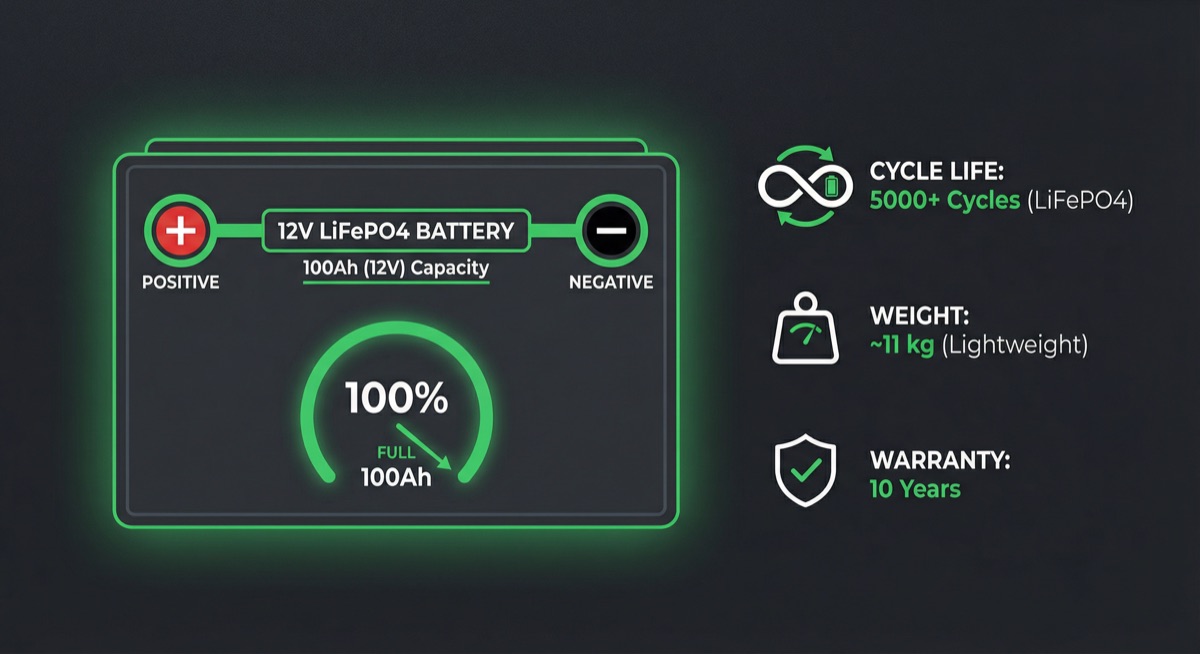
1. Battle Born 100Ah — The Premium Pick
Best for: People who want the best support and longest warranty.
Battle Born is the gold standard in van life batteries. Made in the USA, they offer a 10-year warranty and excellent customer support. Build quality is top-tier, and they're known for reliability in harsh conditions.
Pros: 10-year warranty, US-based support, proven track record, 3,000+ cycle life.
Cons: Pricey ($900–$1,000 for 100Ah). You're paying for the brand and warranty.
2. Renogy 100Ah / 200Ah — The Ecosystem Play
Best for: Anyone already using Renogy solar, inverters, or charge controllers.
Renogy batteries integrate seamlessly with their solar ecosystem. If you're building a full Renogy system, their lithium batteries communicate with their charge controllers for optimal charging. Good build quality and competitive pricing.
Pros: Great BMS features, ecosystem integration, solid value, widely available.
Cons: Slightly higher cost than budget brands; less compelling if you're not in the Renogy ecosystem.
3. LiTime 100Ah / 200Ah — The Budget Champion
Best for: Maximizing capacity per dollar.
LiTime (formerly Ampere Time) has become a favourite among van lifers who want serious capacity without the premium price. Their 200Ah battery often costs less than Battle Born's 100Ah. Performance is comparable—same LiFePO4 chemistry, 3,000 cycle life—but warranty is shorter (5 years) and support isn't as responsive.
Pros: Best price-to-capacity ratio, lightweight, good performance, Bluetooth on some models.
Cons: 5-year warranty, customer support can be slow; quality control varies by batch.
Quick Comparison Table
| Battery | 100Ah Price | Warranty | Weight | Best For |
|---|---|---|---|---|
| Battle Born | ~$900–1,000 | 10 years | ~31 lbs | Premium, peace of mind |
| Renogy | ~$500–700 | 5–10 years | ~26 lbs | Renogy ecosystem users |
| LiTime | ~$350–450 | 5 years | ~25 lbs | Budget, max capacity |
My Take
If budget isn't a constraint, Battle Born is the safest bet. If you're building a full Renogy system, their battery makes sense. And if you need maximum Ah per dollar—or you're running a 200Ah+ setup—LiTime is hard to beat. I've run LiTime batteries through extreme temps and they've held up. Just buy from a reputable seller with a good return policy.
Whatever you choose, make sure your charge controller and inverter are compatible with lithium. And if you're in cold climates, factor in low-temp charging—either a battery with built-in heating or a heated space for charging.